.webp)
Ever feel like you're in a creative funk? Perhaps you’ve felt less motivated to work towards your creative projects. Or maybe you try to produce ideas, but come up blank. You feel stuck—and it’s frustrating.
It happens to all of us.
Somewhere along our creative journeys, our idea tanks start to run out of fuel. Sometimes it’s because we’re burnt out from using a lot of creative energy. Other times, the stressors of life affect our ability to create and innovate.
But don’t worry. Your peak creativity, your best ideas, your ability to come up with new solutions—they’re still there, you just have to uncover them.
Creativity is a skill and practice that must be developed, an energy that must be nurtured. Whether you have a new project on the horizon, or just want to open your mind to new creative ideas, these seven creativity-boosting strategies can help revamp your creative energy and prepare you for what’s next.
#1 Try Creative Cross-Training
Cross-training is when athletes practice a sport or exercise unrelated to their primary sport with the goal of improving their performance in their area of focus. For example, a long-distance runner might also swim laps or practice rowing to improve aerobic capacity while avoiding overstraining their primary running muscles.
You can do something similar for your brain to improve creativity. Whatever your current creative endeavor, try a different creative activity that’s adjacent to your primary focus. You might:
- Take a painting, pottery, or drawing class.
- Participate in a poetry slam.
- Try a new recipe or take a cooking class.
- Read a book from a genre you’ve never read before.
- Learn how to play an instrument.
Trying unfamiliar or new creative activities can help you unlock new ideas, express yourself in a unique way, and stretch your creative muscles.
#2 Apply Constraints
Sometimes a project comes with creative constraints built-in: a deadline, budget, design, or structural rule. For other projects, like writing a book, making a video, or crafting a speech, you might not have strict, built-in limitations. In those cases, it can be helpful to create your own. Here are a few examples:
- Limit a story (or any piece of written content) to a certain amount of words.
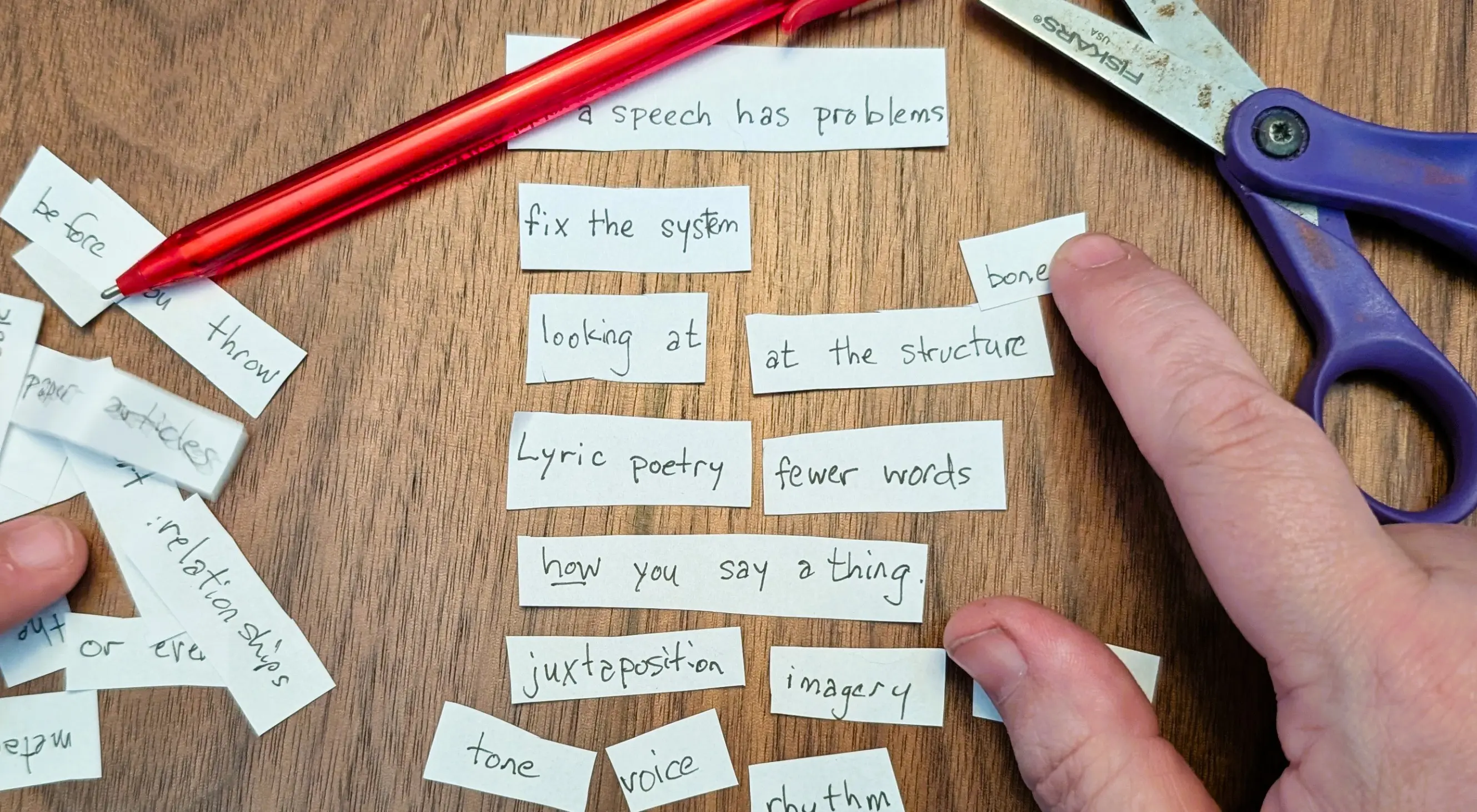
- Write poetry within a specific structure (like a sonnet, haiku, or limerick).
- Use focused writing prompts to help get your creative juices flowing.
- Set a timer for ten minutes—practicing creativity in quick sprints can feel less daunting; it’s a simple way to get started if you’re feeling overwhelmed.
While at first you might feel that this limits your ability to create, these boundaries can actually stimulate new creative strategies, prevent decision fatigue, and increase originality.
Creative constraints are the box you’re forced to create within. But ultimately, you decide if you need to take the leap outside of the box.


.svg)


%20(1).webp)