Insights
Green check mark burst shape
Premium

How Sitting in the Audience Can Uplevel Your Speaking Career

Set your referral ring in motion by supporting fellow speakers as they take the stage.

9
minute read
Published on
January 12, 2026
Watching other professional speakers speak can be extremely valuable—both for your creative process and your referral ring.

How often do you watch speeches? 

‍

I imagine you’ve spent quite a bit of time crafting your own speech. You’ve probably rewritten, rehearsed, and revised each section again and again. A speech is never finished; there’s always something to be adjusted or iterated. 

‍

But what some speakers might not realize is that time spent in the audience—watching other speakers deliver their keynotes—can be extremely valuable. 

‍

In fact, if you’re serious about becoming a professional speaker, watching speeches at conferences a few times a year just isn’t enough. You should aim to watch speeches, whether online or in person, as often as you can.

‍

Sitting in the audience is an effective way to absorb different speaking and performance styles. It allows you to appreciate what works, what’s different, and where you can show up and stand out in a unique way. (Of course, don’t blindly follow trends. Trends can actually perpetuate ineffective practices. You need to try out different approaches to determine what’s most effective for you.) 

‍

Watching other speakers can also boost your confidence in your own speaking abilities and familiarize you with the speaking industry. You’re not in the audience to compete and compare yourself with others, but rather to observe, reflect, and connect. 

‍

This can help you tremendously in the learning and discovery process. Consuming material from speakers across industries can open the door to inspiration and help you create brand-new material. 

‍

Perhaps most importantly, watching other speakers take the stage can set your referral ring in motion and lead to more referrals, more gigs, and stronger speaker-to-speaker relationships.

‍

Referral Rings in Action: How It Works 

‍

A referral ring is a small network of speakers who can refer each other for speaking events. In a previous article, we dove into who to include in your referral ring and the three essentials to make your referral ring successful. 

‍

You might remember that one of the prerequisites for adding someone to your referral ring is seeing them deliver the speech you’ll refer (remember, you’re referring the speech, not the speaker). Seeing them speak in person allows you to confidently endorse their speech, professionalism, and speaking ability. 

‍

Not too long ago, I had a speaking engagement in Washington, D.C. I shared on LinkedIn that I’d be speaking, and Mary Willcox Smith, a speaker who was in the GRAD | Speaking Business Mastery cohort I taught reached out to me saying she’d love to attend and support me. 

‍

I sent her all the event information ahead of time, and gave her one of the guest passes (I try to always negotiate with the event organizer ahead of time to include a few guest passes). 

‍

The day of the gig, my stomach was in knots. The AV team couldn't get the slides to work, the event organizer was distracted, and we started the event 30 minutes late. But having a familiar face to look at in the audience—constantly smiling and offering warm support—made a huge difference.

‍

Throughout the whole event, Mary was amazing. She was beyond helpful and so supportive. She even videotaped my session, brought an extra prop I needed, and gave me homemade pumpkin spice cake and granola. I couldn’t stop thanking her for everything she did to make me feel supported on the big day.

Full Transcript

Read Full Transcript
X Mark icon
Don't
Check mark icon
Do
Black right arrow icon
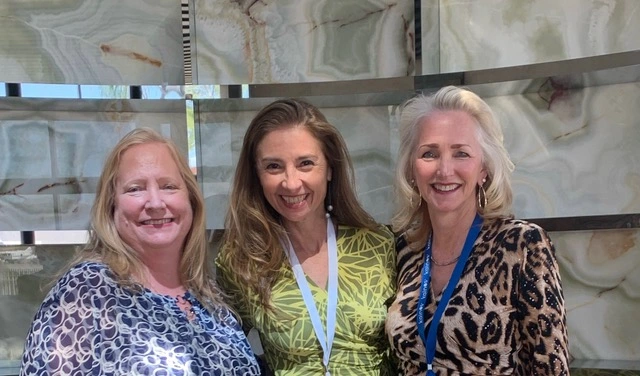
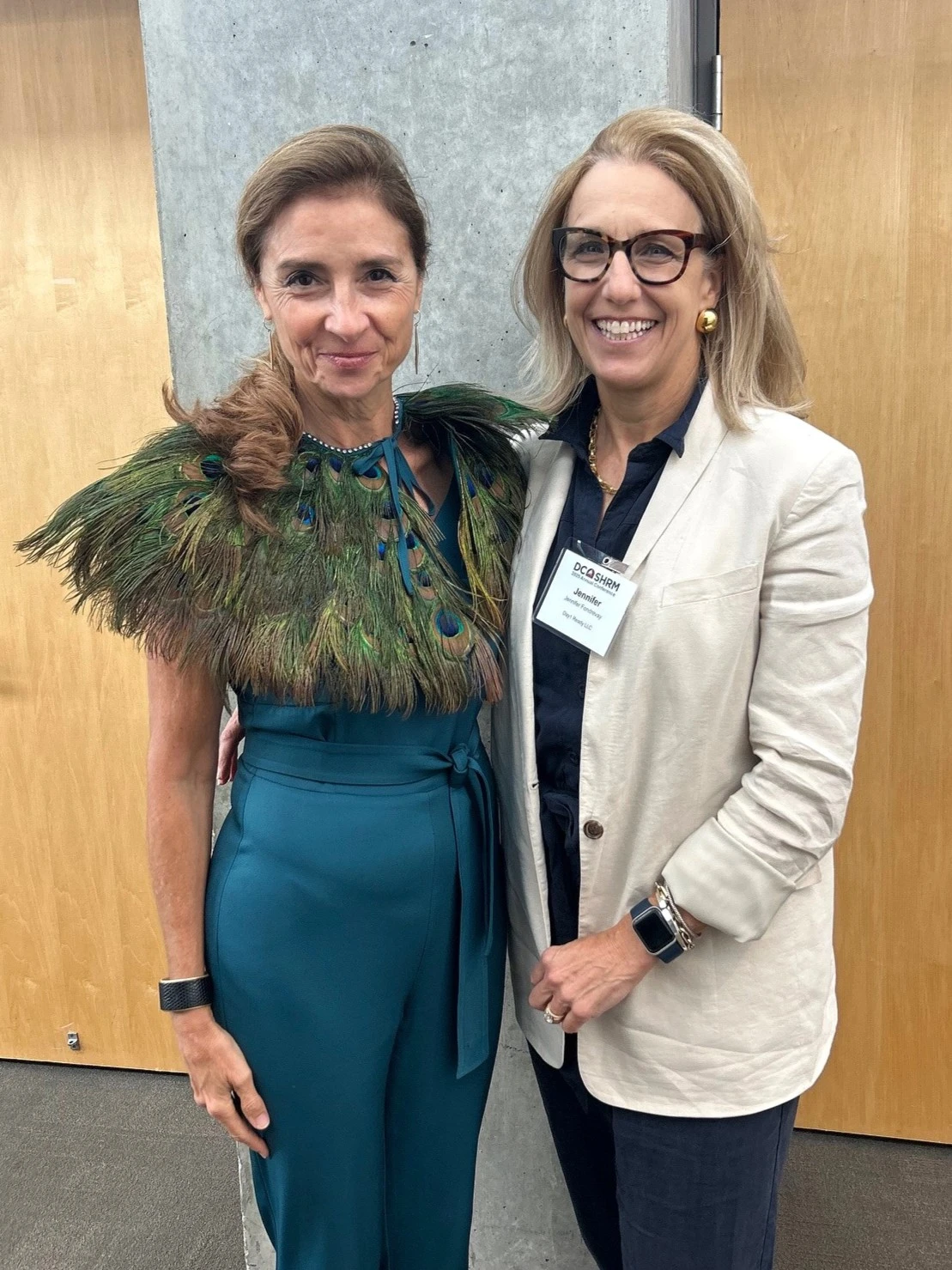
Alongside fellow speakers Sharon Preszler, Carole Stizza, and Mary Willcox Smith at different speaking events.

What the Audience-Member Speaker Should Do

‍

Now, let’s be honest… Mary went above and beyond. I’m so grateful she was willing to come see me speak and be such an incredible wing-woman. And as much as I sincerely hope you have or can find a Mary in your speaking life, we can’t expect everyone to do what she did. (She set a very high bar!)

‍

We all have busy schedules, and we aren’t always able to go the extra mile. That’s perfectly fine; simply taking the time out of your day to see a fellow speaker deliver their speech is a significant gesture. 

‍

Here are a few basics to keep in mind as you strive to be a great audience member:

‍

  • Sit in the front row (or somewhere they can easily spot you). Seeing the warm, smiling face of a friend up front means the world to us as speakers. So, be that advocate when you’re in the audience. Show up early, listen actively, laugh at the jokes, nod when appropriate, start the standing ovation, be a beacon of light. 
  • Don’t be a distraction. This one’s obvious, but I’ll say it anyway: don’t add any stress to the speaker or do anything that might concern them. Be calm, reliable, and present throughout the entire experience. 
  • Give feedback (but only if it’s requested). Staying in line with the selective feedback policy, don’t give unsolicited feedback. However, a speaker might ask you to write down times when their movement was distracting, how you felt during the closing, or other specific questions to help them collect feedback. 
  • Focus on the speech. You’re there to experience the speech so you can confidently refer it to event organizers. Remember, when you refer a speaker for an event, you’re not referring them, you’re referring the speech. ‍
  • Offer to help. Maybe you’ve got a secret knack for photography or an eye for video. You might offer to help record a friend’s session or snap a few photos. Even just a few sincere words of encouragement backstage or a bright smile from the front row can give a speaker an extra boost on the big day.
X Mark icon
Don't
spend too much time chatting with the speaker immediately after the event, give them space to connect with other audience members—and earn those stageside leads.
Check mark icon
Do
get the logistics info (event location, time, room, parking situation, etc.) ahead of time so you don’t have to bother the speaker the days leading up to the event.

What the Onstage Speaker Should Do 

‍

If you have a speaker friend coming to see you speak, don’t forget to do these three things so everything runs smoothly: 

‍

  • Send the logistics information early. Give your speaker friend everything they need to know about the event ahead of time so neither of you have to scramble the days leading up to the event. 
  • Introduce them to the event organizer. The speaker coming to see you speak likely serves a similar audience (especially if they’re your first-tier speakers—that’s part of what makes someone a strong member of your referral ring). Take the time to connect them with the event organizer and endorse their speech and speaking skills. Say something like: “I’d love to introduce you to Mary, she speaks on intentional parenting. Her Microstep Method™ helps parents turn small incidents into moments of deep connection. Based on our discussions and after hearing some of the questions the audience asked, I think she could be a great speaker for a future event.” This first point of connection means the world—both to your event organizers and your fellow speakers. ‍
  • Show gratitude. Thank your speaker friend for coming to support you and express how much the gesture means to you. Sending a follow-up thank you note (or a gift card to their favorite restaurant) after the event is always appreciated.
X Mark icon
Don't
hesitate to ask the event organizer for a guest pass for your speaker friend; event planners love to see all the seats in the auditorium filled.
Check mark icon
Do
familiarize yourself with the audience-member speaker’s topic and speech so you can confidently share that information with the event organizer.

No Name

First Name
Last Name
Email address
Who referred you?
First & Last Name
Checkmark icon
Thank you! Your submission has been received!
Oops! Something went wrong while submitting the form.

The Front Row Logistics: How to See Other Speakers Speak (and Get Other Speakers to See You Speak)

‍

Now, what does this look like in the real world? Here’s a few nitty-gritty suggestions that can help you set your referral ring in motion by seeing other speakers in action. 

‍

Start on Social Media 

‍

Not too long ago, I saw that Carole Stizza and Sharon Preszler, two speakers I met at HEROIC who have been part of my speaking rehearsal group since 2020, would be speaking in Phoenix at a Workday Rising conference. They shared on HEROIC | Circle, HEROIC’s Alumni platform, saying they’d love to meet up, connect, and see a few friendly faces in the audience. Since I’m based in Phoenix, I decided to take them up on the offer and see both of their amazing sessions. 

‍

Getting into the habit of posting where you’ll be speaking and when can open up opportunities to connect with other speakers and for them to see you speak. 

‍

Whatever social media platforms you use, a few weeks before an event, you might post something like: “So excited to be speaking at CONFERENCE NAME on DATE in PLACE. If you’re in the area, I’d love to get together and connect!” 

‍

You won’t always get takers, but if you have a large community of speaker friends dotted around the country, you’ll be surprised how willing people might be to come out and support a fellow speaker.

‍

Reach Out and Connect 

‍

You might even directly invite fellow speakers who are at the same stage of the speaking journey as you to see you speak. (Of course, you want to make sure they live near the event venue so it’s not such a big ask.) 

‍

Other times, you have to take the first step to go to another speaker’s event and watch them speak before they come to one of yours. Keep an eye out for local events, and if you’re speaking at a conference, stay to see other speakers’ sessions after your own.

‍

Coordinate With the Event Organizer

‍

Many event organizers are happy to provide you with one or two guest passes for the event you’re speaking at. They’re always thrilled to have more seats filled, and in my experience, I’ve never had an event organizer say no to a request for a few guest passes. 

‍

Make sure you connect with the event organizer well ahead of time to coordinate the guest passes. You might say something like: “I have a guest who’s coming, a fellow speaker who I think might actually be a great speaker for you in the future. I’d love for them to hear my talk, get a sense of the audience and the event experience, and to introduce them to you.”

‍

Tipping the event organizer to the fact that you have someone there that might be a great future speaker for them is a must-do. This is key to setting your referral ring in motion and opening the doors to new speaking opportunities.

X Mark icon
Don't
add more to the event organizer’s plate in the week of the gig.
Check mark icon
Do
make sure to ask the event organizer for guest passes well ahead of time.

The Value of Community 

‍

As speakers, we all know the speaker’s lifestyle can be lonely. Empty hotel rooms, long flights, busy travel schedules. Week after week, month after month, year after year. It’s no wonder so many speakers feel like “lone wolves.” Early in my speaking career, I felt that loneliness as well.  

‍

But it doesn’t have to be that way. In fact, it shouldn’t be that way.   

‍

One of the most valuable aspects of training at HEROIC and being an Alum is making and nurturing essential connections with the huge (over 768 and counting) Alumni community. 

‍

The speakers, authors, and leaders I’ve met at HEROIC have shown me over and over again that truly, “we can do more together than we can alone.” They show up, they go above and beyond, and they’ve always had my back when I’ve needed it most.

‍

You see, as speakers, we don’t just share a profession, we share a mission: to elevate others with our unique messages. When we’re connected, we can shine onstage together and help move, inspire, and transform others.  

‍

If you don’t yet enjoy the benefits of a thriving speaker community, don’t worry. Little by little, event by event, you can build strong connections and benefit from working with—rather than against—fellow speakers. 

‍

Every speaking opportunity is an opportunity to connect—whether you’re speaking onstage that day or not. It begins with you. And sitting in the audience can be one of the best ways to show up for fellow speakers, spark opportunities, and start building your own invaluable speaker community.

X Mark icon
Don't
Check mark icon
Do
X Mark icon
Don't
Check mark icon
Do

|

This year, build a sustainable speaking business.

GRAD

|

Speaking Business Mastery

Learn how to build and use reliable, sustainable systems to uplevel your speaking business. Negotiate, plan, and connect for speaking-business success.
Learn more

First Name
First Name
Last Name
Last Name
Email address
Email address
Who referred you?
First & Last Name
Checkmark icon
Thank you! Your submission has been received!
Oops! Something went wrong while submitting the form.

What the Audience-Member Speaker Should Do

‍

Now, let’s be honest… Mary went above and beyond. I’m so grateful she was willing to come see me speak and be such an incredible wing-woman. And as much as I sincerely hope you have or can find a Mary in your speaking life, we can’t expect everyone to do what she did. (She set a very high bar!)

‍

We all have busy schedules, and we aren’t always able to go the extra mile. That’s perfectly fine; simply taking the time out of your day to see a fellow speaker deliver their speech is a significant gesture. 

‍

Here are a few basics to keep in mind as you strive to be a great audience member:

‍

  • Sit in the front row (or somewhere they can easily spot you). Seeing the warm, smiling face of a friend up front means the world to us as speakers. So, be that advocate when you’re in the audience. Show up early, listen actively, laugh at the jokes, nod when appropriate, start the standing ovation, be a beacon of light. 
  • Don’t be a distraction. This one’s obvious, but I’ll say it anyway: don’t add any stress to the speaker or do anything that might concern them. Be calm, reliable, and present throughout the entire experience. 
  • Give feedback (but only if it’s requested). Staying in line with the selective feedback policy, don’t give unsolicited feedback. However, a speaker might ask you to write down times when their movement was distracting, how you felt during the closing, or other specific questions to help them collect feedback. 
  • Focus on the speech. You’re there to experience the speech so you can confidently refer it to event organizers. Remember, when you refer a speaker for an event, you’re not referring them, you’re referring the speech. ‍
  • Offer to help. Maybe you’ve got a secret knack for photography or an eye for video. You might offer to help record a friend’s session or snap a few photos. Even just a few sincere words of encouragement backstage or a bright smile from the front row can give a speaker an extra boost on the big day.
X Mark icon
Dont
spend too much time chatting with the speaker immediately after the event, give them space to connect with other audience members—and earn those stageside leads.
Check mark icon
Do
get the logistics info (event location, time, room, parking situation, etc.) ahead of time so you don’t have to bother the speaker the days leading up to the event.
Alongside fellow speakers Sharon Preszler, Carole Stizza, and Mary Willcox Smith at different speaking events.

What the Onstage Speaker Should Do 

‍

If you have a speaker friend coming to see you speak, don’t forget to do these three things so everything runs smoothly: 

‍

  • Send the logistics information early. Give your speaker friend everything they need to know about the event ahead of time so neither of you have to scramble the days leading up to the event. 
  • Introduce them to the event organizer. The speaker coming to see you speak likely serves a similar audience (especially if they’re your first-tier speakers—that’s part of what makes someone a strong member of your referral ring). Take the time to connect them with the event organizer and endorse their speech and speaking skills. Say something like: “I’d love to introduce you to Mary, she speaks on intentional parenting. Her Microstep Method™ helps parents turn small incidents into moments of deep connection. Based on our discussions and after hearing some of the questions the audience asked, I think she could be a great speaker for a future event.” This first point of connection means the world—both to your event organizers and your fellow speakers. ‍
  • Show gratitude. Thank your speaker friend for coming to support you and express how much the gesture means to you. Sending a follow-up thank you note (or a gift card to their favorite restaurant) after the event is always appreciated.
X Mark icon
Don't
hesitate to ask the event organizer for a guest pass for your speaker friend; event planners love to see all the seats in the auditorium filled.
Check mark icon
Do
familiarize yourself with the audience-member speaker’s topic and speech so you can confidently share that information with the event organizer.
,

The Front Row Logistics: How to See Other Speakers Speak (and Get Other Speakers to See You Speak)

‍

Now, what does this look like in the real world? Here’s a few nitty-gritty suggestions that can help you set your referral ring in motion by seeing other speakers in action. 

‍

Start on Social Media 

‍

Not too long ago, I saw that Carole Stizza and Sharon Preszler, two speakers I met at HEROIC who have been part of my speaking rehearsal group since 2020, would be speaking in Phoenix at a Workday Rising conference. They shared on HEROIC | Circle, HEROIC’s Alumni platform, saying they’d love to meet up, connect, and see a few friendly faces in the audience. Since I’m based in Phoenix, I decided to take them up on the offer and see both of their amazing sessions. 

‍

Getting into the habit of posting where you’ll be speaking and when can open up opportunities to connect with other speakers and for them to see you speak. 

‍

Whatever social media platforms you use, a few weeks before an event, you might post something like: “So excited to be speaking at CONFERENCE NAME on DATE in PLACE. If you’re in the area, I’d love to get together and connect!” 

‍

You won’t always get takers, but if you have a large community of speaker friends dotted around the country, you’ll be surprised how willing people might be to come out and support a fellow speaker.

‍

Reach Out and Connect 

‍

You might even directly invite fellow speakers who are at the same stage of the speaking journey as you to see you speak. (Of course, you want to make sure they live near the event venue so it’s not such a big ask.) 

‍

Other times, you have to take the first step to go to another speaker’s event and watch them speak before they come to one of yours. Keep an eye out for local events, and if you’re speaking at a conference, stay to see other speakers’ sessions after your own.

‍

Coordinate With the Event Organizer

‍

Many event organizers are happy to provide you with one or two guest passes for the event you’re speaking at. They’re always thrilled to have more seats filled, and in my experience, I’ve never had an event organizer say no to a request for a few guest passes. 

‍

Make sure you connect with the event organizer well ahead of time to coordinate the guest passes. You might say something like: “I have a guest who’s coming, a fellow speaker who I think might actually be a great speaker for you in the future. I’d love for them to hear my talk, get a sense of the audience and the event experience, and to introduce them to you.”

‍

Tipping the event organizer to the fact that you have someone there that might be a great future speaker for them is a must-do. This is key to setting your referral ring in motion and opening the doors to new speaking opportunities.

X Mark icon
Don't
add more to the event organizer’s plate in the week of the gig.
Check mark icon
Do
make sure to ask the event organizer for guest passes well ahead of time.

The Value of Community 

‍

As speakers, we all know the speaker’s lifestyle can be lonely. Empty hotel rooms, long flights, busy travel schedules. Week after week, month after month, year after year. It’s no wonder so many speakers feel like “lone wolves.” Early in my speaking career, I felt that loneliness as well.  

‍

But it doesn’t have to be that way. In fact, it shouldn’t be that way.   

‍

One of the most valuable aspects of training at HEROIC and being an Alum is making and nurturing essential connections with the huge (over 768 and counting) Alumni community. 

‍

The speakers, authors, and leaders I’ve met at HEROIC have shown me over and over again that truly, “we can do more together than we can alone.” They show up, they go above and beyond, and they’ve always had my back when I’ve needed it most.

‍

You see, as speakers, we don’t just share a profession, we share a mission: to elevate others with our unique messages. When we’re connected, we can shine onstage together and help move, inspire, and transform others.  

‍

If you don’t yet enjoy the benefits of a thriving speaker community, don’t worry. Little by little, event by event, you can build strong connections and benefit from working with—rather than against—fellow speakers. 

‍

Every speaking opportunity is an opportunity to connect—whether you’re speaking onstage that day or not. It begins with you. And sitting in the audience can be one of the best ways to show up for fellow speakers, spark opportunities, and start building your own invaluable speaker community.

X Mark icon
Don't
Check mark icon
Do
Education graduation cap black icon
Learn from
Jennifer

HEROIC

Speakers

Learn how to give speeches that transform how people think and perceive the world. We’ll teach you how to write, perform, and get booked.
Learn more
X Mark icon
Dont
Check mark icon
Do
white space
Loading
Someone is typing...
Person icon
No Name
Set
Moderator
(Edited)
4 years ago
This is the actual comment. It's can be long or short. And must contain only text information.
Person profile icon with blue background
No Name
Set
2 years ago
Moderator
(Edited)
This is the actual comment. It's can be long or short. And must contain only text information.
Load More
Thank you! Your submission has been received!
Oops! Something went wrong while submitting the form.
Load More
white space